











The best composting toilet in New Zealand depends on the job. WCTNZ® explains which systems suit tiny homes, baches, houses, RVs and public facilities.
Search

- Residential Toilet Solutions
- Commercial Toilet Solutions
- Recreational Vehicle (RVs) Toilets
- Camping & Temporary Toilets
- Parts & Accessories
- Consumables By Brand
- Urinals
- Grey Water Technology
- Grease Trap Technology
- Blackwater Technology
- Pump Stations
- Ozone & Hygiene Systems
- Buildings & Facilities
RSS
Blog
Incinerating toilets use heat; composting toilets use biology. WCTNZ® compares power, reliability, cost and scale for New Zealand homes, off-grid sites and commercial facilities.
20 Aug 2026 (0) Are Waterless Composting Toilets Recognised in New Zealand’s On-Site Wastewater Framework
Waterless composting toilets have a recognised place within New Zealand’s on-site wastewater standards framework alongside septic tanks and AWTS. Here is why that matters.
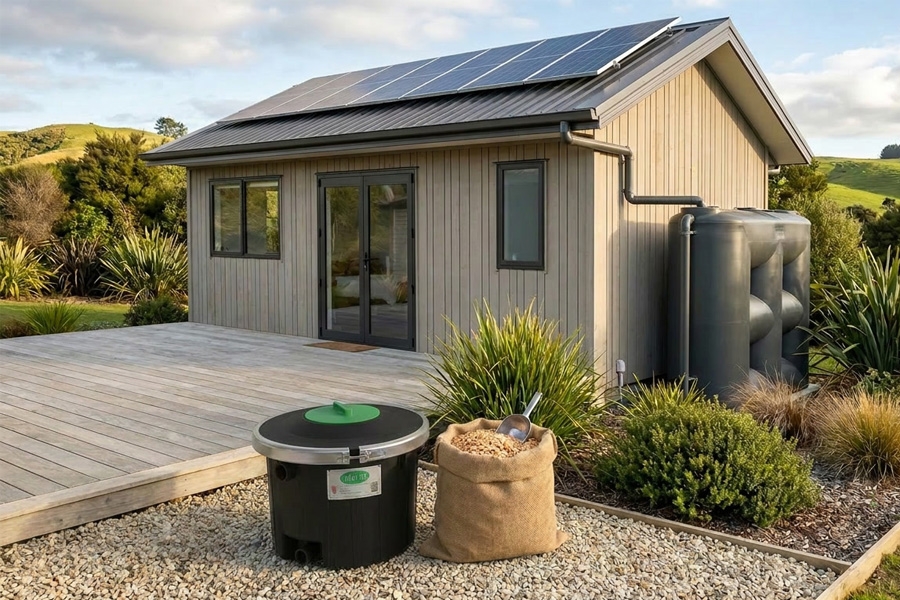
What does an off-grid toilet really cost? WCTNZ® looks beyond purchase price to water, energy, fuel, consumables, servicing, installation and long-term ownership.
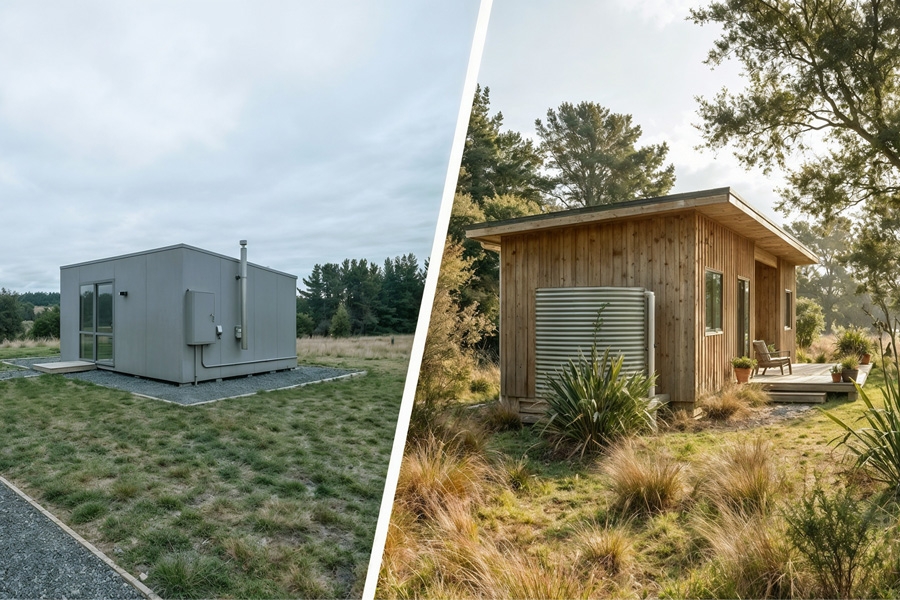
For some off-grid sites, avoiding LPG, combustion and high-temperature waste treatment is a practical design goal. WCTNZ® explains where composting can fit.
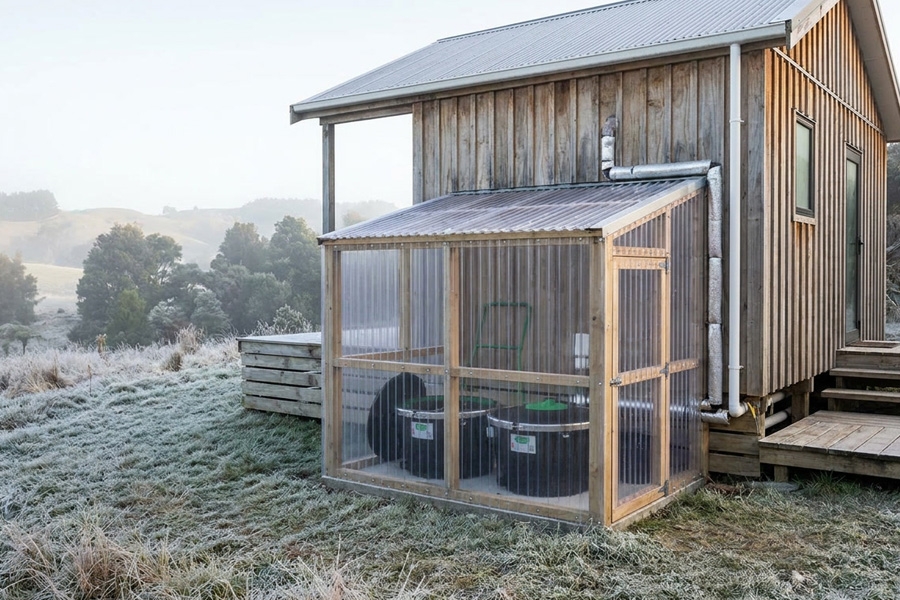
Cold weather does not automatically rule out composting toilets. WCTNZ® explains what changes in winter and why capacity, moisture and ventilation matter more. Composting Toilets 101, Off-Grid Living Solutions, Choosing a Composting Toilet
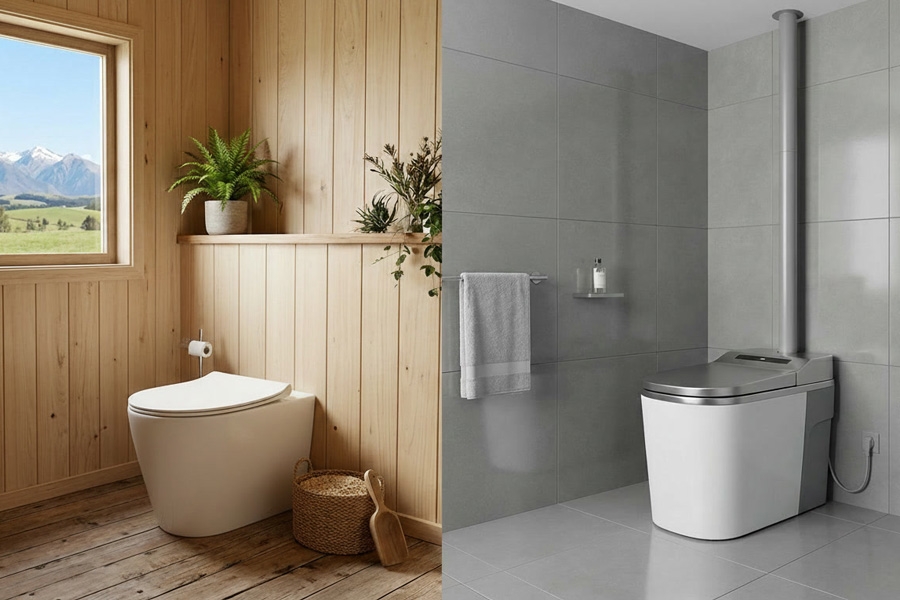
Composting and incinerating toilets are both waterless, but they solve waste very differently. WCTNZ® explains why composting is usually the stronger long-term option.
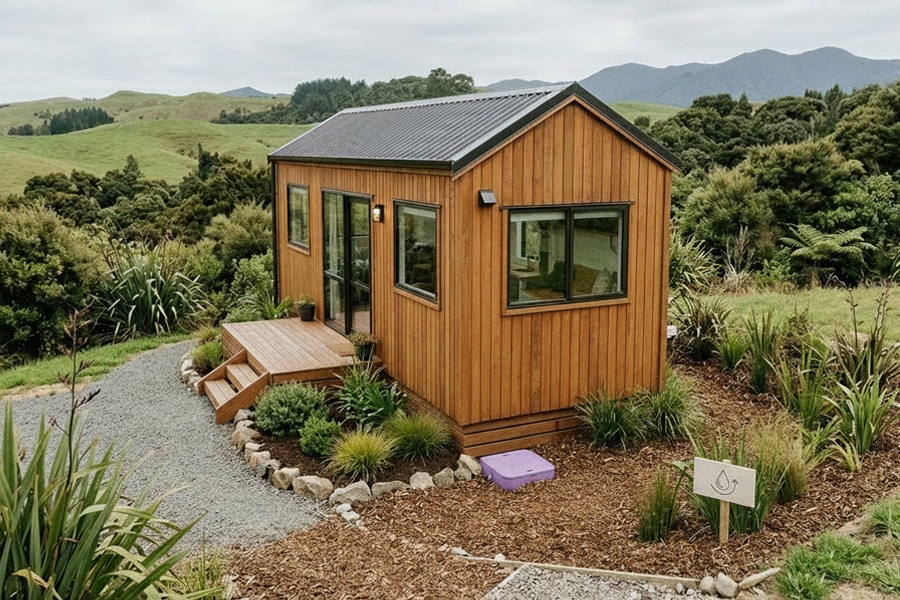
Planning greywater for a tiny home in New Zealand? This guide explains what usually matters most and what often shapes the likely system direction.
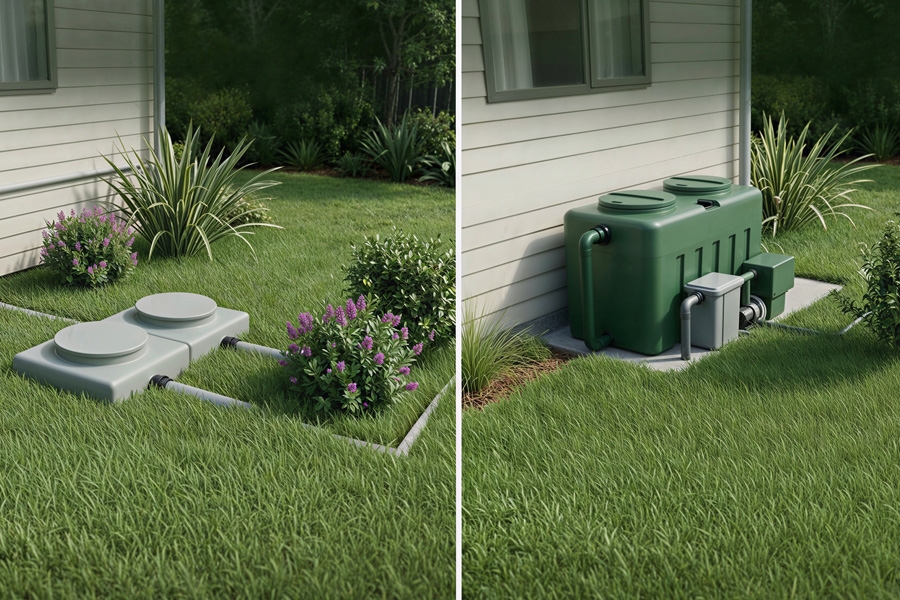
Some greywater projects stay relatively simple, while others need a more controlled response. This guide explains what usually changes the pathway.
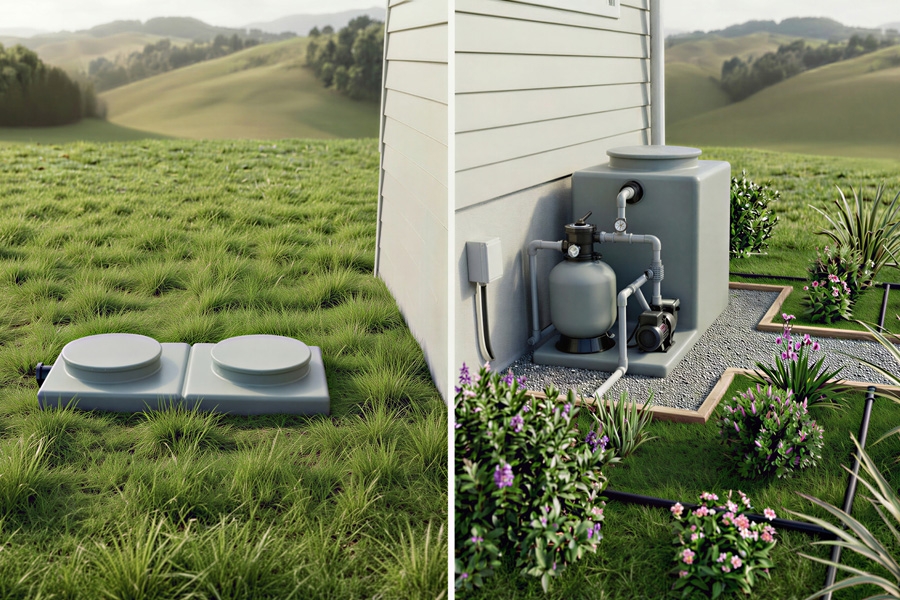
What changes a greywater project from diversion toward treatment? Learn how wastewater source, site conditions, and intended outcome affect the decision.
Blog search
Blog archive
- 2026
- 2025
- 2024
- 2023
- 2022
- 2017
News Letters
Monthly News: Current affairs in NZ wastewater
Monthly Promotion: Special & one-off deals
Monthly The Humanist: Tips, tricks & advice on composting toilets


Customer Service
My Account
Socials